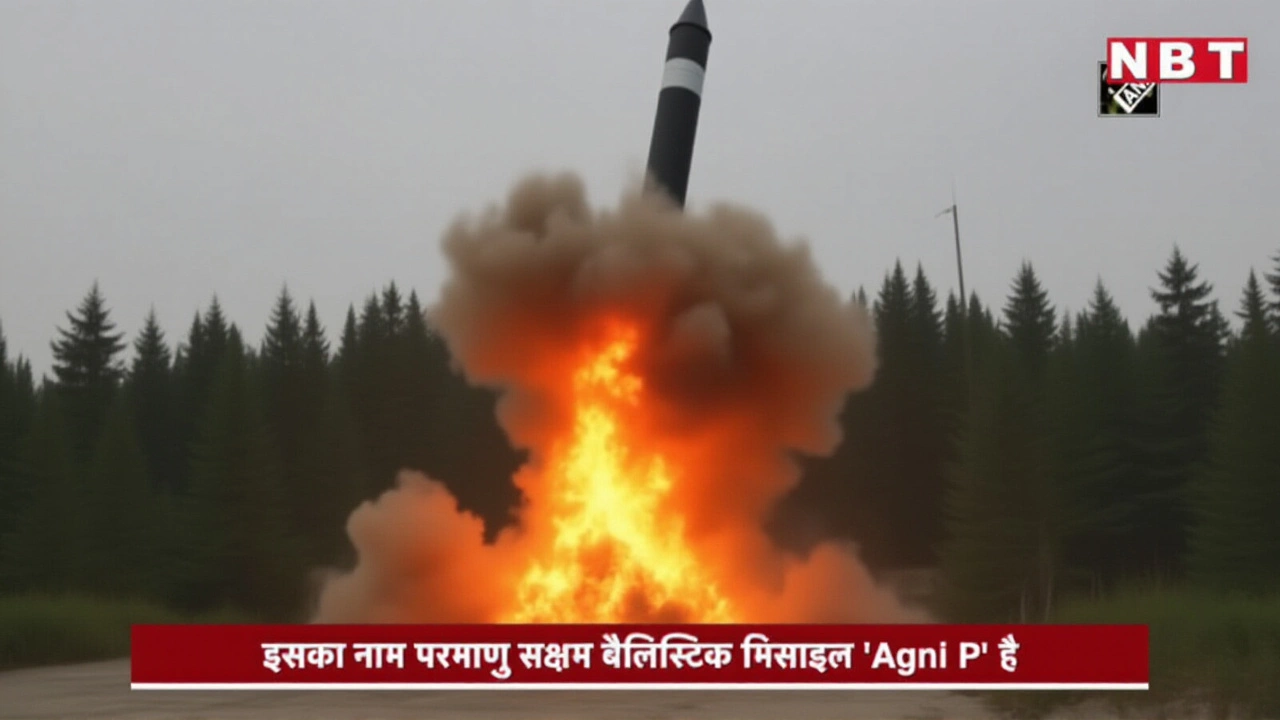
When Aaj Tak published a chilling analysis on February 28, 2019, it didn't just present numbers—it painted a picture of apocalypse. The report warned that if India and Pakistan were to engage in a full-scale nuclear exchange using only half their arsenals, the immediate death toll would hit 21 million people. But the horror doesn’t stop there. Half the world’s protective ozone layer could vanish, triggering a global catastrophe.
Here’s the thing: this isn’t just about two neighbors fighting. It’s about the rest of us breathing thin air and starving. The study cited suggests that smoke and dust from such blasts would linger in the atmosphere, causing a "nuclear winter." This wouldn’t just freeze South Asia; it would disrupt monsoon patterns globally, leading to crop failures that could leave 2 billion people facing severe famine and climate change impacts.
The Numbers Behind the Nightmare
Let’s look at the inventory. According to data from the Stockholm International Peace Research Institute, Pakistan possesses between 140 and 150 nuclear warheads, while India holds an estimated 130 to 140. Other sources, like reports linked to ABP Live, suggest slightly higher figures—180 for India and 172 for Pakistan. Another estimate places Pakistan’s arsenal at exactly 170 weapons. Regardless of the exact count, both nations are heavily armed.
The delivery systems are equally concerning. The Bulletin of the Atomic Scientists notes that India has 56 surface-to-surface ballistic missiles in its Prithvi and Agni series. These systems carry 53% of India’s nuclear stockpile—that’s 106 warheads ready for deployment. Add to that 12 nuclear weapons mounted on K-15 Sagarika submarine-launched ballistic missiles, and you have a credible triad capability that is hard to ignore.
A New Weapon Changes the Game
But wait—the strategic balance shifted recently. Reports from Navbharat Times highlight a successful test by India of a new hypersonic missile. Tested on a Saturday night (specific date unclear), this weapon travels at Mach 6—six times the speed of sound. With a range of approximately 1,500 kilometers, it can strike anywhere in Pakistan, including naval bases like Karachi.
Why does this matter? Because current Pakistani air defense systems are designed to intercept slower-moving threats. Hypersonic missiles, as seen in recent conflicts like the war in Ukraine, are nearly impossible to stop once launched. By joining the exclusive club of nations with hypersonic tech—including Russia, China, and the US—India has effectively neutralized some of Pakistan’s defensive advantages.

Global Ripple Effects
The implications extend far beyond the border. If 21 million people die instantly, the environmental fallout is immediate. The loss of half the ozone layer means increased UV radiation reaching the Earth’s surface, damaging crops and human health alike. The "nuclear winter" effect isn’t science fiction; it’s a modeled reality where soot blocks sunlight, dropping temperatures and killing agriculture worldwide.
Experts warn that 2 billion people could suffer from climate-induced hunger. That’s not just a regional crisis; it’s a global humanitarian emergency. Supply chains break down, economies crash, and political instability spreads. The interconnected nature of our modern world means no one is safe from the shockwaves of a South Asian nuclear conflict.

What Comes Next?
Diplomats and military analysts are watching closely. The introduction of hypersonic technology adds a layer of unpredictability. Response times shrink, increasing the risk of miscalculation. While both nations maintain policies of no-first-use or first-use ambiguity, the sheer scale of destruction makes any escalation unthinkable for rational actors.
Yet, tensions remain high. Historical precedents, like the 2001 Parliament attack or the 2019 Pulwama incident, show how quickly crises can spiral. The world hopes that deterrence works. But as these reports illustrate, the cost of failure is too high to gamble with.
Frequently Asked Questions
How many people would die in an India-Pakistan nuclear war?
According to the 2019 Aaj Tak analysis citing scientific studies, a limited nuclear exchange using half the arsenals of both countries would result in approximately 21 million immediate deaths. This figure accounts for blast effects, thermal radiation, and initial fallout.
What is a "nuclear winter" and how does it affect the world?
A nuclear winter occurs when massive amounts of smoke and dust from firestorms enter the upper atmosphere, blocking sunlight. This causes global temperatures to drop significantly, disrupting monsoons and agricultural cycles. The report warns this could lead to famine affecting up to 2 billion people worldwide.
How many nuclear weapons do India and Pakistan have?
Estimates vary by source. SIPRI suggests Pakistan has 140–150 warheads and India has 130–140. Other reports cite higher numbers, such as 180 for India and 172 for Pakistan. Both nations continue to expand their arsenals and delivery systems.
Why is India's new hypersonic missile significant?
The hypersonic missile travels at Mach 6 with a 1,500 km range, making it difficult for existing air defense systems to intercept. This gives India the ability to strike deep into Pakistani territory, including naval assets in Karachi, altering the strategic balance in South Asia.
Who published the original analysis on nuclear war impacts?
The detailed analysis was published by the Indian news organization Aaj Tak on February 28, 2019. It referenced data from SIPRI, the Bulletin of the Atomic Scientists, and various scientific studies on atmospheric effects of nuclear detonations.