When Donald Trump, President of the United States, issued a stern warning regarding Iran, global markets didn't just twitch—they panicked. On Thursday, Brent Crude surged past the psychological barrier of $120 per barrel, marking its highest level in four years.
The spike wasn't driven by supply shortages alone but by a volatile mix of geopolitical fear and anticipated blockades. Traders watched nervously as prices climbed, echoing the chaos seen during the early days of the Russia-Ukraine war in 2022. Here’s the thing: this isn’t just about numbers on a screen. It’s about what happens when superpowers clash over energy lifelines.
The Numbers Behind the Panic
Let’s look at the data, because it tells a story of sustained pressure. Brent Crude didn’t just jump; it has been climbing for nine consecutive days. The June contract saw a gain of $1.91, settling at $19.94 per barrel—a figure that seems low only if you’re looking at futures pricing structures rather than spot prices, but the trend is undeniable. Meanwhile, the more active July contract rose 0.85% to trade at $111.38.
American crude followed suit. West Texas Intermediate (WTI), the domestic benchmark, climbed 0.59% to $107.51 per barrel. Reports from NDTV place WTI hovering around $108, confirming that the rally is broad-based across global benchmarks. This isn’t an isolated blip; it’s a structural shift in market sentiment.
- Brent Crude: Surged past $120/barrel (4-year high)
- WTI Crude: Rose 0.59% to $107.51/barrel
- Trend: Nine consecutive days of gains
- July Contract: Up 0.85% to $111.38
Geopolitical Flashpoints
So, why the sudden volatility? The primary driver is the escalating tension between the United States and Iran. Trump’s recent warnings have been interpreted by markets as a precursor to stricter enforcement measures. Specifically, fears are mounting about a potential blockade of Iranian ports.
Here’s the twist: the conflict isn’t limited to direct US-Iran relations. The situation in West Asia remains in a stalemate, with ongoing conflicts involving Israel adding another layer of complexity. Investors are worried that any escalation could disrupt exports through the Strait of Hormuz, a chokepoint through which roughly 20% of the world’s oil passes.
Analysts note that the market is pricing in "risk premiums"—extra costs added to oil prices due to uncertainty. When traders believe supply might be cut off, they bid up prices preemptively. It’s insurance against chaos.
Echoes of 2022
To understand the gravity of this moment, you have to look back. The last time we saw prices near these levels was in 2022, following Russia’s invasion of Ukraine. That crisis reshaped global energy policies overnight. Now, history feels like it’s rhyming.
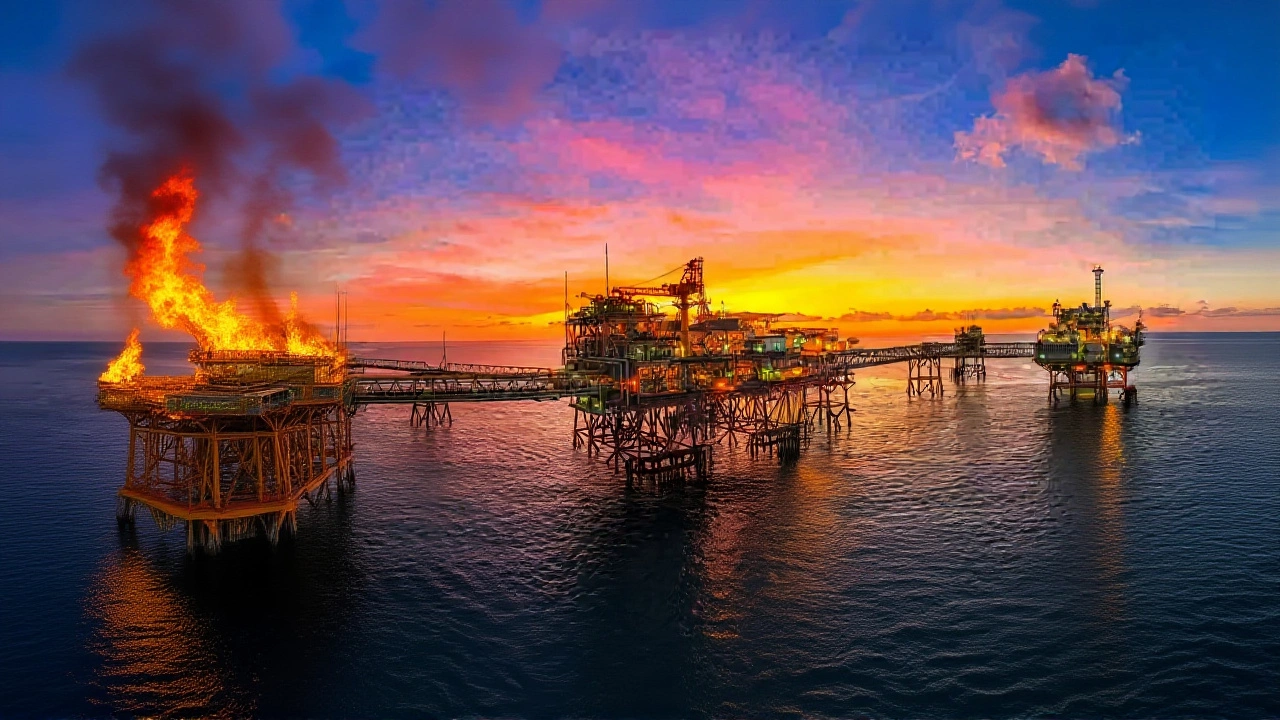
The difference this time is the nature of the threat. In 2022, it was a land war disrupting European supplies. Today, it’s maritime threats in the Middle East threatening global flows. The result is similar: anxiety among import-dependent nations like India, China, and Japan, who rely heavily on stable oil shipments to keep their economies running.
What’s Next for Consumers?
If these tensions hold, your wallet will feel it. Higher crude prices typically translate to higher gasoline and diesel costs within weeks. For airlines, shipping companies, and manufacturers, input costs rise immediately. We could see inflationary pressures return, forcing central banks to rethink interest rate decisions.
The details of any immediate military action remain unclear, but the market doesn’t wait for clarity. It reacts to risk. Until diplomatic channels show signs of de-escalation, expect oil prices to remain volatile. Watch for any announcements regarding port access or sanctions enforcement—those will be the next catalysts.
Frequently Asked Questions
Why did oil prices hit a 4-year high?
Oil prices surged due to heightened geopolitical tensions between the US and Iran, specifically fears of port blockades and export restrictions. This mirrors the supply concerns seen during the 2022 Russia-Ukraine war, driving investors to buy futures as a hedge against potential shortages.
How does this affect everyday consumers?
Higher crude prices usually lead to increased fuel costs at the pump within a few weeks. Additionally, transportation and manufacturing costs rise, which can indirectly increase prices for groceries, electronics, and other goods, contributing to broader inflation.
What is the role of West Texas Intermediate (WTI) in this surge?
WTI is the primary benchmark for US crude oil. Its rise to $107.51 per barrel indicates that the price increase is not just localized to international markets but reflects a global shortage of confidence in supply stability, affecting both American and international producers.
Is this situation similar to the 2022 oil crisis?
Yes, in terms of price levels and market anxiety. However, the drivers differ: 2022 was triggered by a land invasion in Europe, while the current spike stems from maritime threats in the Middle East. Both scenarios involve major powers disrupting established energy routes.