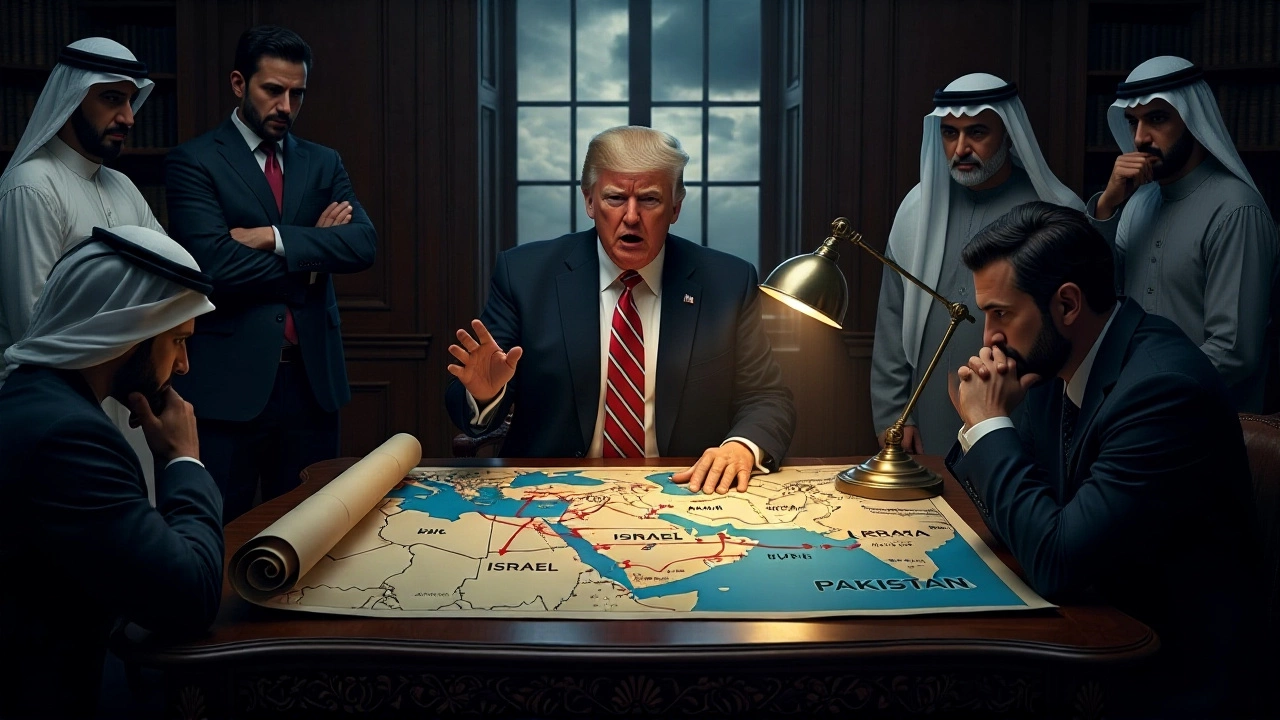
When Donald Trump, President of the United States, took to his social media platform Truth Social on Monday, May 25, he didn't just share an opinion—he issued what many are calling a geopolitical ultimatum. The message was direct: Muslim-majority nations mediating peace talks with Iran must sign the Abraham Accords and formally recognize Israel. It’s a bold move that ties regional stability directly to diplomatic normalization with Jerusalem.
The twist is that this isn’t a request for future cooperation. Trump framed it as a mandatory condition for any lasting peace deal involving Iran. He specifically named Saudi Arabia, Qatar, Pakistan, Turkey, Egypt, and Jordan, urging them to join the pact after the conflict with Tehran concludes.
The New Geopolitical Lever
Here’s the thing: Trump isn’t operating in a vacuum. His strategy appears designed to lock in a new Middle Eastern order before leaving office—or perhaps as part of a broader legacy play. By linking the end of hostilities with Iran to the expansion of the Abraham Accords, he’s creating a high-stakes incentive structure. Countries want peace? They need to normalize ties with Israel first.
This approach puts immense pressure on mediators like Qatar and Pakistan, who have been quietly facilitating dialogue between Washington and Tehran. According to recent video analyses, Trump described the negotiations as being on a “fast track,” suggesting a deal could be announced at any moment. But his condition remains non-negotiable: regional acceptance of Israel is the price of entry.
Pakistan’s Firm Rejection
Turns out, not everyone is buying into this vision. Pakistan responded swiftly and decisively. Defense Minister Khawaja Asif and senior security officials outright rejected the proposal, citing ideological boundaries that cannot be compromised. For Islamabad, the two-state solution for Palestine remains a core policy pillar—what they call “non-negotiable.”
It’s a stark reminder that domestic politics often trump international pressure. While Trump sees strategic alignment, Pakistan sees a betrayal of long-standing principles. This rejection highlights the deep divide between American foreign policy goals and the realities on the ground across the Muslim world.
Understanding the Abraham Accords
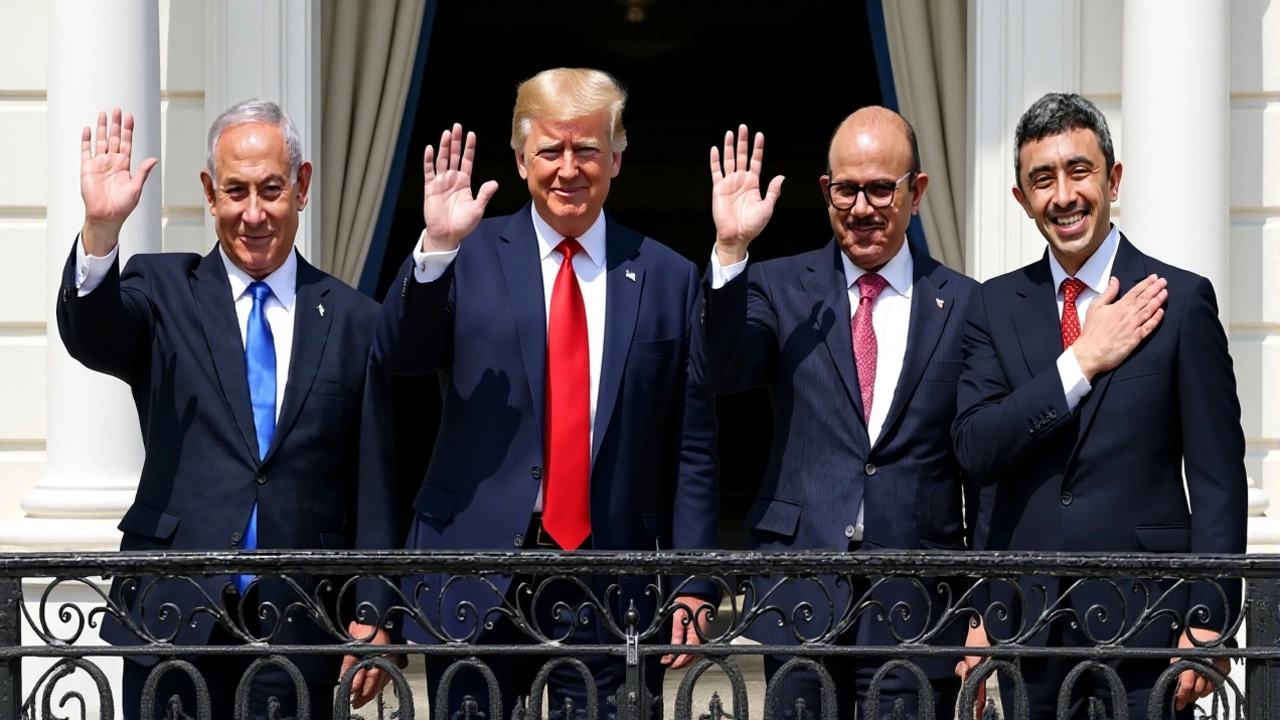
To get why this matters so much, you have to look back to September 15, 2020. That’s when the original Abraham Accords were signed, brokered by the US. Initially, only three countries joined: Israel, the United Arab Emirates, and Bahrain. Later, Morocco and Sudan followed suit.
The agreement wasn’t just about shaking hands. It opened doors for direct flights, embassies, tourism, tech collaboration, and security partnerships. Named after the prophet revered by Jews, Christians, and Muslims alike, the accords aimed to build trust through shared economic and cultural interests. But for many Arab nations, skipping over the Palestinian issue has always felt like a moral compromise.

Why Now?
So why push now? Analysts suggest Trump views the current window as critical. With tensions easing slightly between Iran and the West, he may believe this is the best chance to reshape the region’s map permanently. By bringing more Sunni-majority states into the fold, he hopes to isolate Iran diplomatically and economically.
There’s also a personal angle. Trump has long sought recognition as a peacemaker. Securing a wider Middle East peace framework would cement his historical standing. Plus, there’s the economic promise—billions in potential trade and investment flowing from normalized relations.
The Ripple Effects
The implications go far beyond diplomacy. If Saudi Arabia or Turkey joins, it could trigger a chain reaction. Regional rivals might feel forced to follow suit to avoid being left out of lucrative deals. On the flip side, resistance could deepen fractures within the Muslim world, pitting pragmatists against ideologues.
For ordinary citizens, the stakes are real. Normalization could mean better job opportunities, easier travel, and increased cultural exchange. But it could also fuel unrest if perceived as abandoning Palestinian rights. The emotional weight of this decision shouldn’t be underestimated.
What’s Next?
Expect more backchannel talks in the coming weeks. Diplomats will work tirelessly to bridge gaps between Washington’s demands and local sensitivities. Watch for subtle shifts in language from Riyadh or Doha—they’re key players whose moves will signal whether Trump’s plan has legs.
Meanwhile, Pakistan continues to balance its role as mediator with its domestic constraints. Can it keep talking to Iran while resisting US pressure? Only time will tell. One thing is certain: the Middle East is entering a period of intense negotiation, where every handshake carries heavy consequences.
Frequently Asked Questions
What exactly are the Abraham Accords?
The Abraham Accords are a series of normalization agreements between Israel and several Arab nations, including the UAE, Bahrain, Morocco, and Sudan. Signed starting in 2020, they establish diplomatic relations, open borders for trade and travel, and foster cooperation in technology and security.
Why is Donald Trump pushing other countries to join?
Trump believes expanding the accords will create a unified front against Iran and promote regional stability. He links joining the pact to achieving peace with Tehran, using it as leverage to accelerate diplomatic breakthroughs and secure his legacy as a peacemaker.
How did Pakistan respond to Trump's demand?
Pakistan firmly rejected the idea, stating that recognizing Israel conflicts with its commitment to the Palestinian cause. Defense Minister Khawaja Asif emphasized that supporting a two-state solution is non-negotiable, reflecting strong public sentiment against normalizing ties without resolving the Israeli-Palestinian conflict.
Which countries have already signed the Abraham Accords?
As of now, the signatories include Israel, the United Arab Emirates, Bahrain, Morocco, and Sudan. These nations established full diplomatic relations, opened embassies, and initiated joint ventures in various sectors under the framework of the accords.
Could Saudi Arabia join the Abraham Accords soon?
While Saudi Arabia hasn't officially joined yet, reports indicate ongoing discussions. However, any decision depends heavily on progress toward a Palestinian statehood plan. Without addressing that core issue, Riyadh faces significant internal and regional backlash for signing.